March 5, 2026
Explore how selecting the right flooring services can not only enhance the aesthetic appeal of your space but also save you significant time and money. This article breaks down various intelligent choices available today, providing insights on how to make informed decisions. Flooring is a crucial aspect of interior design, influencing both the visual and functional qualities of a room. With advancements in technology and material science, the flooring industry now offers a wide array of smart solutions. Understanding these options is essential for optimizing both budget and style in any flooring project you undertake.
1. Understanding Different Types of Smart Flooring
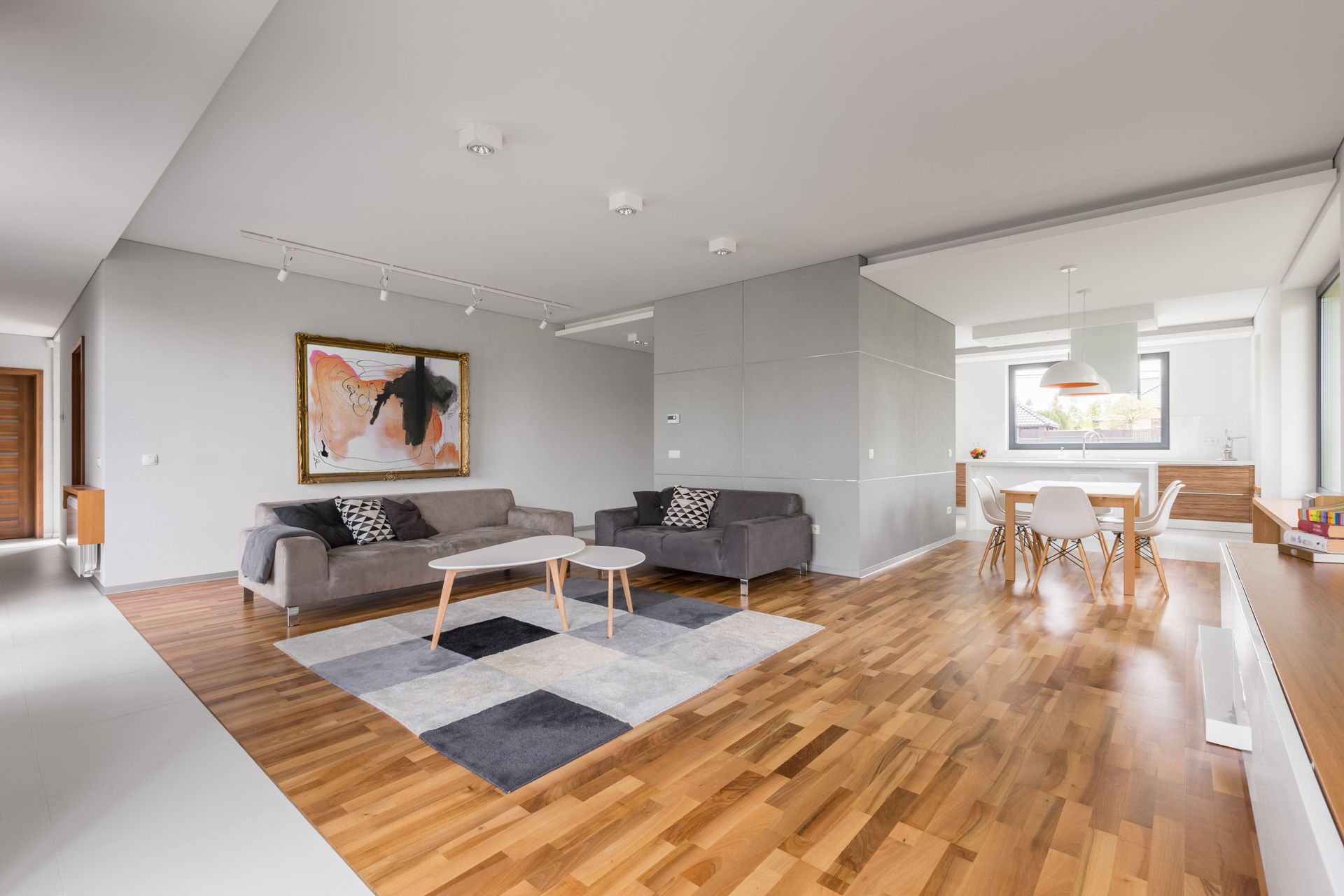
Hardwood flooring is a timeless choice well-regarded for its elegance and durability. It comes in a variety of wood species, such as oak, maple, and walnut, each offering a unique grain pattern and color palette. The longevity of hardwood floors is a major attraction, with properly maintained hardwood lasting for decades. This makes it a popular option for those looking to enhance their home's value over time. Additionally, refinishing hardwood can breathe new life into it, adding to its long-term appeal.
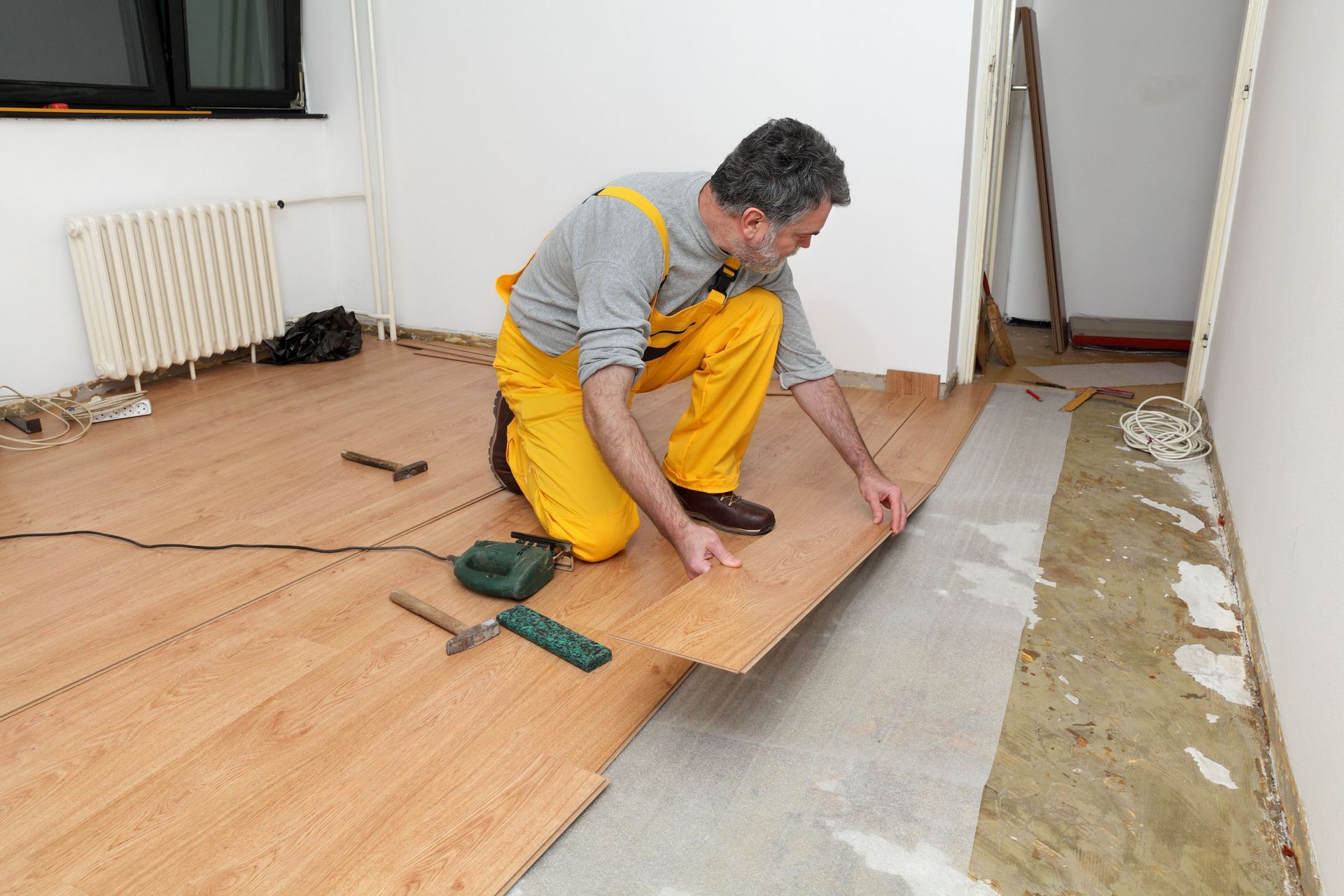
Laminate flooring is celebrated for its cost-effectiveness and ease of maintenance. Made from a composite material, it mimics the appearance of more expensive flooring types like wood or stone without the high price tag. Laminate surfaces are relatively resistant to scratches and stains, making them a practical choice for busy households. Installation of laminate flooring is generally simpler compared to hardwood, often allowing for a DIY approach. Its affordability and practicality make it a popular choice for budget-conscious homeowners seeking style and functionality.
Vinyl flooring offers excellent durability and water resistance, making it ideal for kitchens and bathrooms. According to Modernize, vinyl planks come in standard sizes of 2 1/4 to 3 inches wide, while vinyl tiles are available in 12-by-12-inch squares, providing versatile design options. Aside from its wide array of colors and patterns, vinyl is also easy to clean and maintain. Advances in manufacturing have led to luxury vinyl tiles and planks that closely resemble high-end materials like hardwood and ceramic. Its affordability and practicality make it an attractive option for modern homes.
2. Evaluating Flooring Durability and Lifespan
Evaluating the wear and tear resistance of flooring materials is crucial in selecting the right fit for your space. High-traffic areas require flooring that can withstand frequent use without showing signs of wear soon after installation. Materials like hardwood and tile tend to perform well in these conditions due to their structural integrity. Conversely, softer materials like carpet may show wear faster but offer unparalleled comfort. Weighing these factors against your specific requirements can help in making an informed choice for long-lasting flooring.
The lifespan of flooring materials varies, often relating directly to their composition and usage. Hardwood floors, when maintained properly, can last for several decades, even over a century in some cases. Laminate and vinyl flooring, while not as enduring as hardwood, offer respectable longevity at a fraction of the cost. Tile flooring also boasts a long lifespan and adds value through its durability over time. Understanding these lifespans can guide in selecting a flooring type that fits your long-term vision and financial plan.
Choosing the best type of flooring services for each area involves considering the specific characteristics and needs of different environments. For example, kitchens and bathrooms are high-moisture areas that benefit from water-resistant options like tile or vinyl. In bedrooms, where comfort is a priority, carpet may be the preferred choice. Living rooms might favor hardwood flooring for its warmth and beauty, whereas basements could benefit from laminate due to its moisture resistance. Selecting the right flooring based on area-specific needs optimizes both functionality and comfort.
3. Cost Analysis of Flooring Options
Initial costs of flooring options vary dramatically based on material, quality, and installation methods. Hardwood tends to sit at the higher end of the pricing spectrum due to material and professional installation costs. In contrast, vinyl and laminate offer lower upfront expenses while still providing aesthetically pleasing results. Tile can vary in price but generally falls in the mid-range, offering a balance between cost and durability. Understanding these initial costs and setting a realistic budget aids in the decision-making process.
Exploring long-term savings associated with different flooring options helps to justify initial investments. Although hardwood may be pricey upfront, its durability and longevity offer substantial financial benefits over time, reducing the need for frequent replacements. Laminate and vinyl also provide cost savings due to their low maintenance and installation costs, which can add up significantly over time. Additionally, enhancing the aesthetics of your home with quality flooring can result in increased resale value, making your initial investment worthwhile.
4. Advancements in Smart Flooring Technology
Innovations in smart flooring technology have led to the integration of advanced features like smart sensors and heating elements. These advancements allow for zoned heating, warming specific areas more efficiently, and saving energy. Sensors can also track foot traffic and notify homeowners of maintenance needs, optimizing maintenance schedules and extending flooring lifespan. The convenience of integrating climate control directly into flooring systems is increasingly attractive to consumers. Smart flooring solutions represent a synergy between functionality and comfort, promising a higher level of home automation.
The use of sustainable materials in flooring solutions is gaining momentum, driven by consumer demand for eco-friendly options. Reclaimed wood, cork, and bamboo are popular sustainable choices that reduce carbon footprints while offering natural beauty. These materials are often sourced responsibly, emphasizing environmental preservation and resource efficiency. Transitioning to eco-friendly floors not only benefits the environment but also aligns with growing environmental regulations and standards. As sustainability becomes a priority, smart flooring solutions position themselves as responsible choices for conscientious consumers.
Technology is playing a critical role in the early detection of flooring issues, enhancing preventative maintenance. Innovations like damage detection sensors can identify moisture infiltration or structural weaknesses, allowing for timely repairs. These technologies decrease the likelihood of severe damage that demands costly remedies or replacements. By proactively addressing minor issues, homeowners can extend the lifespan of their flooring, maximizing their investments. This technology underscores the shift towards smarter, more sustainable home management practices, underscoring flooring's role in proactive home care.
5. Choosing the Right Service Provider
Choosing the right flooring services provider necessitates evaluating their expertise and experience. A provider's knowledge in recommending appropriate materials and installation techniques can significantly influence the success of a flooring project. Professional certifications and affiliations often serve as indicators of a provider's competence and commitment to excellence. Clients should investigate the provider's track record and past projects to gauge performance and quality. Expertise in advanced and diverse flooring solutions marks a provider's capability in delivering high-quality outcomes.
Customer reviews and testimonials are vital when selecting a flooring services provider, offering insights into past client experiences. Positive reviews often point to high levels of satisfaction in both product quality and customer service. Testimonials can highlight strengths and potential weaknesses, aiding new clients in setting realistic expectations. A provider's reputation is built on consistent client satisfaction, making reviews a valuable resource for informed decision-making. Engaging with previous customers can also reveal unique insights not immediately apparent through promotional materials.
Conclusively, smart flooring choices provide a blend of efficiency, aesthetic appeal, and long-term cost savings. By comprehensively assessing your needs and leveraging technological advancements, you can make informed decisions that maximize both time and financial investments in your flooring projects. As the industry evolves, the options for customization, sustainability, and technological integration continue to expand. Embracing these innovations not only enhances the living space but also contributes to more sustainable and intelligent home environments. Selecting the right flooring involves balancing immediate desires with future benefits, ensuring a rewarding investment that stands the test of time. For more information about the services that we offer, reach out to our incredible team at Boston Sunshine Floors inc today!